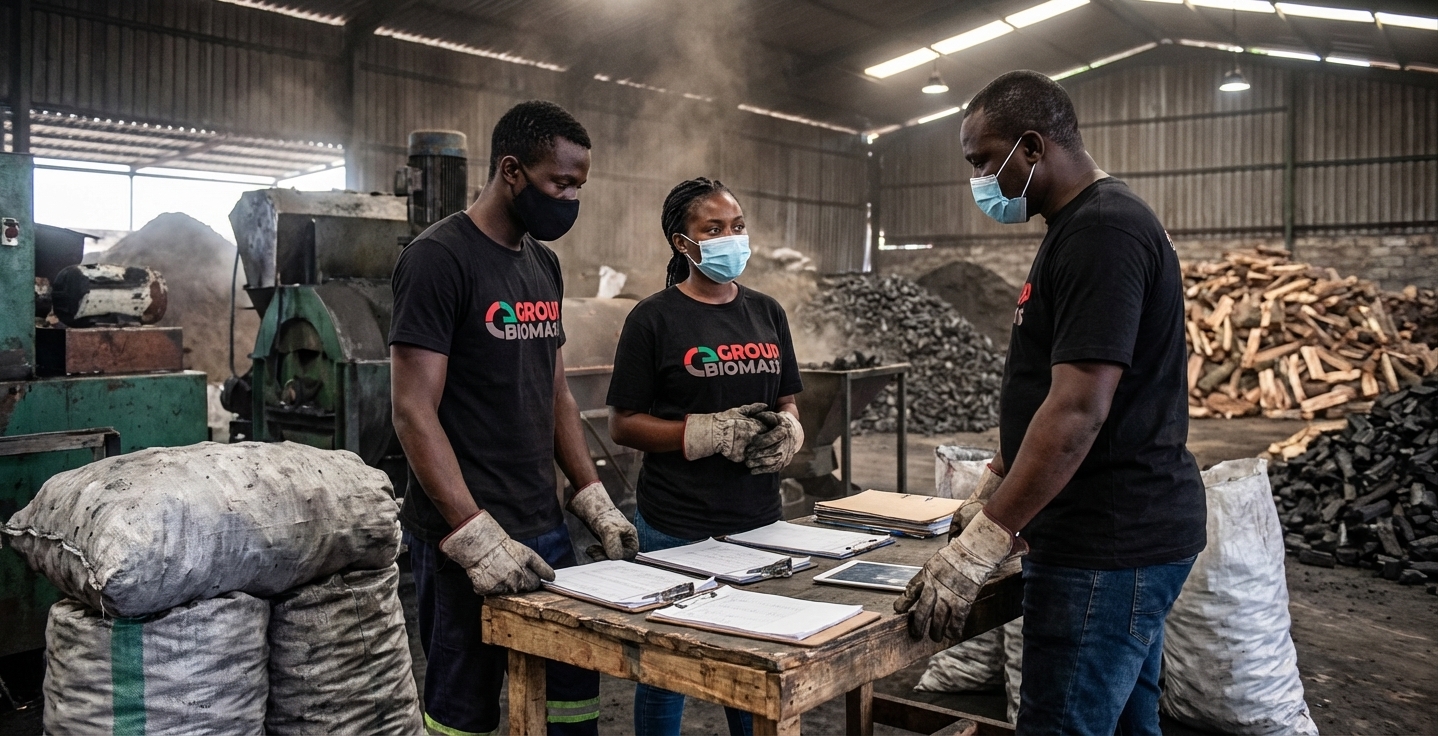
Deep within Cameroon , a substantial operation stands as a testament to the growing demand for charcoal . This commercial complex, reportedly the nation’s biggest wood factory , is attracting attention for both its scale and the evident environmental consequences . While offering livelihoods for local communities, the plant’s processes are triggering questions about sustainable forest practices and the overall health of the country's woodlands .
Hardwood Lump Carbon Sale Boom: The Rising Star
Cameroon is witnessing a substantial surge in quality lump charcoal exports, positioning itself as a key source in the global industry. Fueled by increasing demand from the United States and Asian countries, the country’s production of this renewable fuel is rapidly increasing, offering promising prospects for regional populations and supporting the national financial situation. The emphasis on sustainably sourced timber lump carbon is proving to be a critical aspect in securing international buyers.
Inside Cameroon’s Hardwood Lump Charcoal Factory: Production & Sustainability
Stepping within a common Cameroon timber lump carbon factory uncovers a surprisingly straightforward process of production. Green trees, often obtained from sustainable areas, are meticulously cut and transported to a hardwood lump charcoal exporter oven. Here, the wood is gradually cooked with restricted oxygen, a procedure that transforms it into granular charcoal. While the conventional methods used can be difficult, growing new factories are incorporating better systems and pursuing ways to improve both output and environmental sustainability. This includes allocating in green power and applying strict scrap management .
Cameroon's Lump Charcoal Trade : A Key Role in Worldwide Exports
Despite mounting environmental concerns , Cameroon’s charcoal industry remains a surprising yet vital player in the global sales arena . The production of charcoal from forest biomass is a important origin of income for thousands of local households , particularly in remote zones. This practice generates a substantial volume of wood charcoal destined for foreign markets , often providing cooking needs in other countries , though this reliance creates problems relating to forest loss and responsible forest protection.
La Face à Charbon Massif de Bois Dur et Des Briquettes : Un Regard Camerounaise
En le pays, le décision entre le charbon de bois dur en bloc et les briquettes soulève une question . Classiquement, , le charbon de bois a été préféré pour son arôme authentique et son capacité à produire une chaleur forte, idéale pour les cuissons régionales. Cependant, , des briquettes , plus pratiques à trouver et moins chères , gagnent en popularité , particulièrement dans les régions urbaines .
Sustainable Charcoal Making : The Outlook of Cameroon's Hardwood Sector
The traditional method of charcoal production in Cameroon presents a significant challenge to its valuable hardwood woodlands . However, innovative sustainable approaches offer a promising path forward. These include technologies like wood waste gasification and efficient earth ovens , which reduce deforestation, decrease emissions, and offer economic opportunities for local villagers. Embracing these sustainable solutions is essential to safeguarding Cameroon's natural heritage and ensuring the long-term sustainability of its hardwood sector while mitigating climate impacts .